The Value of Certification: Benefit Beyond Compliance
March 12, 2025 – In the crane and rigging industry, compliance with OSHA regulations is non-negotiable. But for leading employers, compliance isn’t the ceiling—it’s the floor. While OSHA mandates that crane operators be certified, other critical roles, such as signalpersons, riggers, and lift directors, only require personnel to be “qualified.” This leaves room for interpretation and potential safety gaps on job sites. Nationally accredited certification, independent of training, offers a standardized benchmark that ensures personnel meet the highest industry standards. For employers, investing in certification isn’t just about compliance—it’s about protecting their people, reputation, and bottom line.
Standardization: A Competitive Advantage
One of the most significant benefits of certification is that it provides a consistent, industry-recognized standard for evaluating skills and knowledge. Unlike employer-led qualification programs, which vary widely, third-party accredited certification ensures that all certified personnel have passed rigorous written and practical exams aligned with national standards. This eliminates uncertainty about whether employees are truly qualified and gives employers confidence that their workforce meets the same high standards as top industry competitors.
Safety First: The Real Cost of Cutting Corners
Employers who rely on uncertified workers for roles like rigging and signaling take on unnecessary risk. A single miscalculation by an unqualified signalperson or rigger can lead to catastrophic consequences, including dropped loads, equipment damage, serious injury, or worse. The latest ASME B30 standards already require riggers to pass both written and practical exams, and future revisions are expected to apply the same standard to signalpersons. Proactive employers who implement certification now stay ahead of evolving regulations while strengthening workplace safety. As one certificant recently noted, “CCO certification made me more aware of rigging limits and configurations—things I didn’t even think about before.”
Employer Trust & Reputation: Certified vs. Non-Certified Personnel
Beyond compliance and safety, certification builds trust—both internally and externally. Certified personnel are often viewed as more reliable, disciplined, and knowledgeable. Employers that require certification signal to clients, contractors, and insurance providers that they prioritize high standards. In contrast, relying on non-certified personnel can create doubt about a company’s commitment to safety and professionalism.
Surveyed employers overwhelmingly recognized the difference. One employer shared, “We previously used another certification, but we found CCO operators had a far better understanding of safety and industry standards. Now all of our operators must be CCO-certified.”
Risk Mitigation: Reducing Liability & Insurance Costs
From a financial standpoint, certification serves as a risk-mitigation tool. Employers with certified personnel often see lower accident rates, which can translate to reduced workers’ compensation claims and insurance premiums. OSHA’s compliance directive mentions the role of the lift director 41 times, underscoring its significance in safe crane operations. Yet, many job sites still place unqualified individuals in this position. Employers who mandate lift director certification demonstrate a proactive commitment to risk management, protecting themselves from costly legal and regulatory consequences.
Productivity & Efficiency: The Hidden Benefit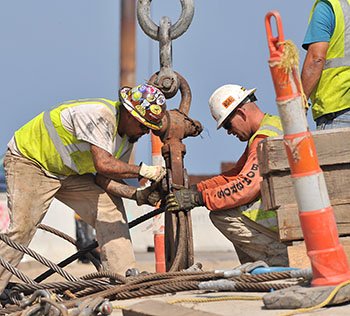
Certified personnel don’t just work safer—they work smarter. Certified signalpersons and riggers can communicate more effectively with crane operators, reducing downtime caused by miscommunications or improper load handling. When everyone on-site is speaking the same technical language and following the same best practices, operations run more smoothly, deadlines are met, and overall productivity increases.
Strengthen the Workforce with Certification
While certification is required for crane operators, employers should strongly consider expanding their certification requirements to other roles such as signalpersons, riggers, and lift directors. Doing so enhances safety, reduces liability, improves efficiency, and ensures that all workers meet a consistent, nationally recognized standard.
Leading organizations have already taken this step—will yours be next? By investing in certified personnel, you’re not just checking a compliance box—you’re strengthening your workforce, your reputation, and your long-term success in the industry.